No project is born alone
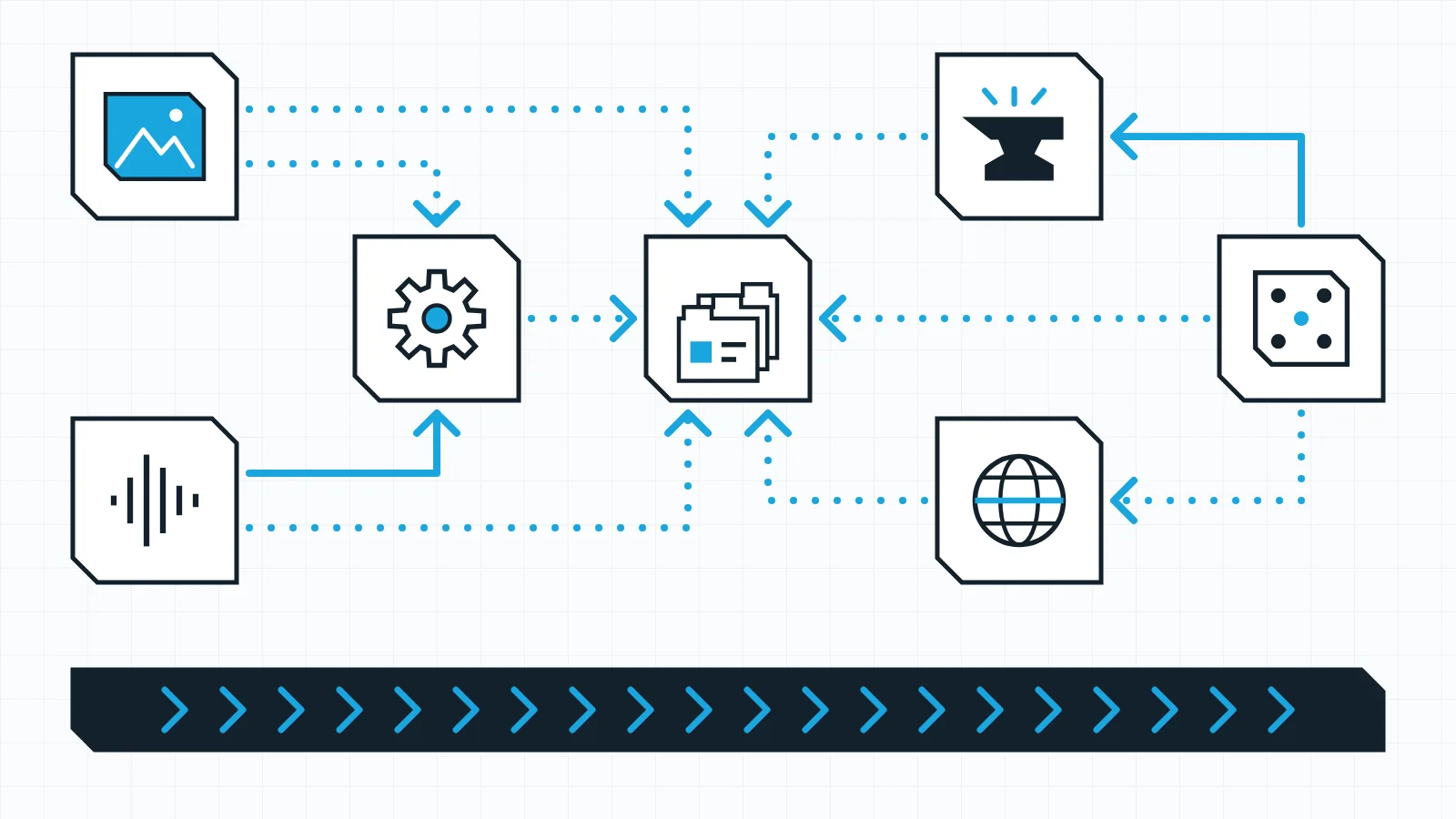
Almost everything new in the workshop came from something another project was missing or had duplicated.
· Workshop · Written by: Álvaro García Graña · Reading time: 3 min
The origin: Back and forth
When I started the voice generator, I took from the image one everything that was not about images: the request queue, the limits, the log. I simply copied it, on purpose. Joining two half-built projects into a shared piece would have slowed me down on both, so I copied and noted where each part came from.
Over time, the two copies drifted apart. And the voice one had to solve something the image one never needed: on the Steam Deck an image and a voice do not fit at the same time, so they have to take turns. I built that turn-taking in voices first, and now it is the image generator that will copy it from there.
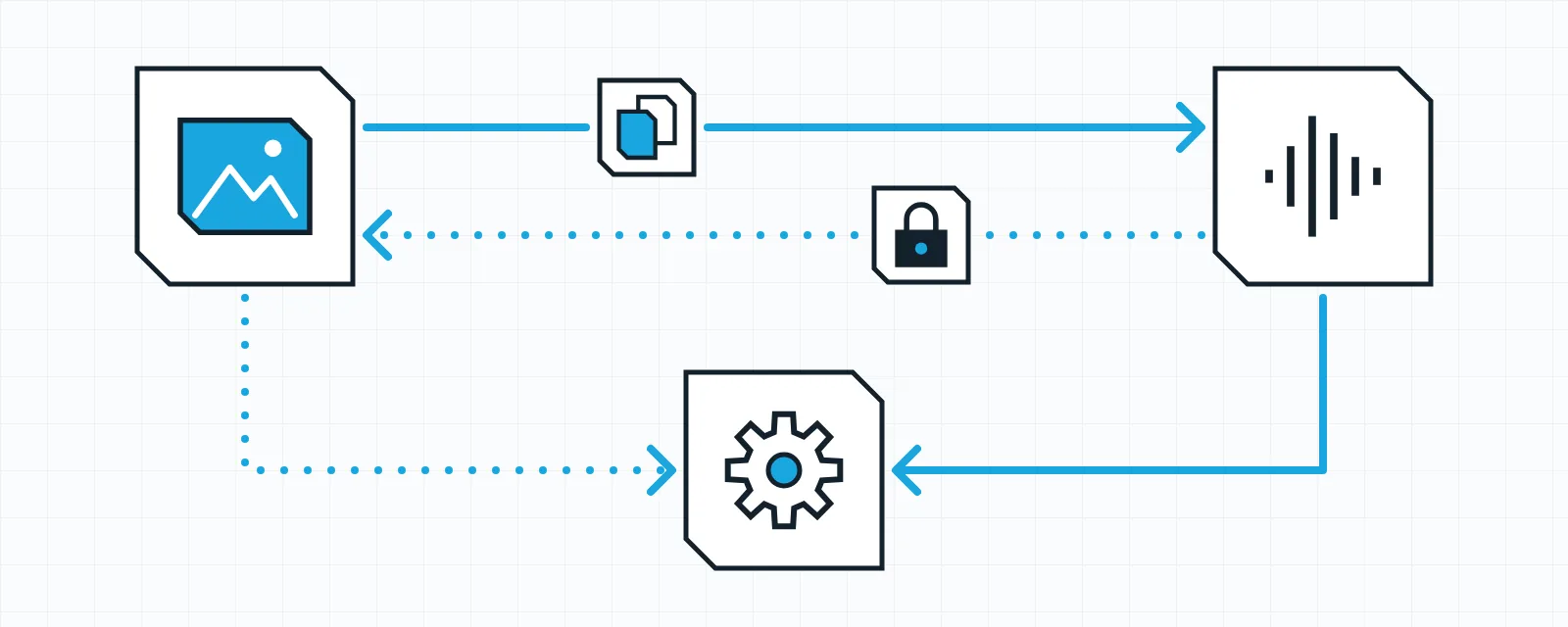
That is where Runtime comes from: one place for what the generators share, turn-taking included. The voice one already runs on it. The image one does not yet.
The data: One piece of data, five names
Model Atlas comes from the same mess. Each project kept in its own way which models exist and which machine I have, and one single piece of data, the free memory a model needs, showed up under five different names. The idea is that everyone asks one place which model fits on which machine. For now it is a catalogue; having the others consult it is the next step.
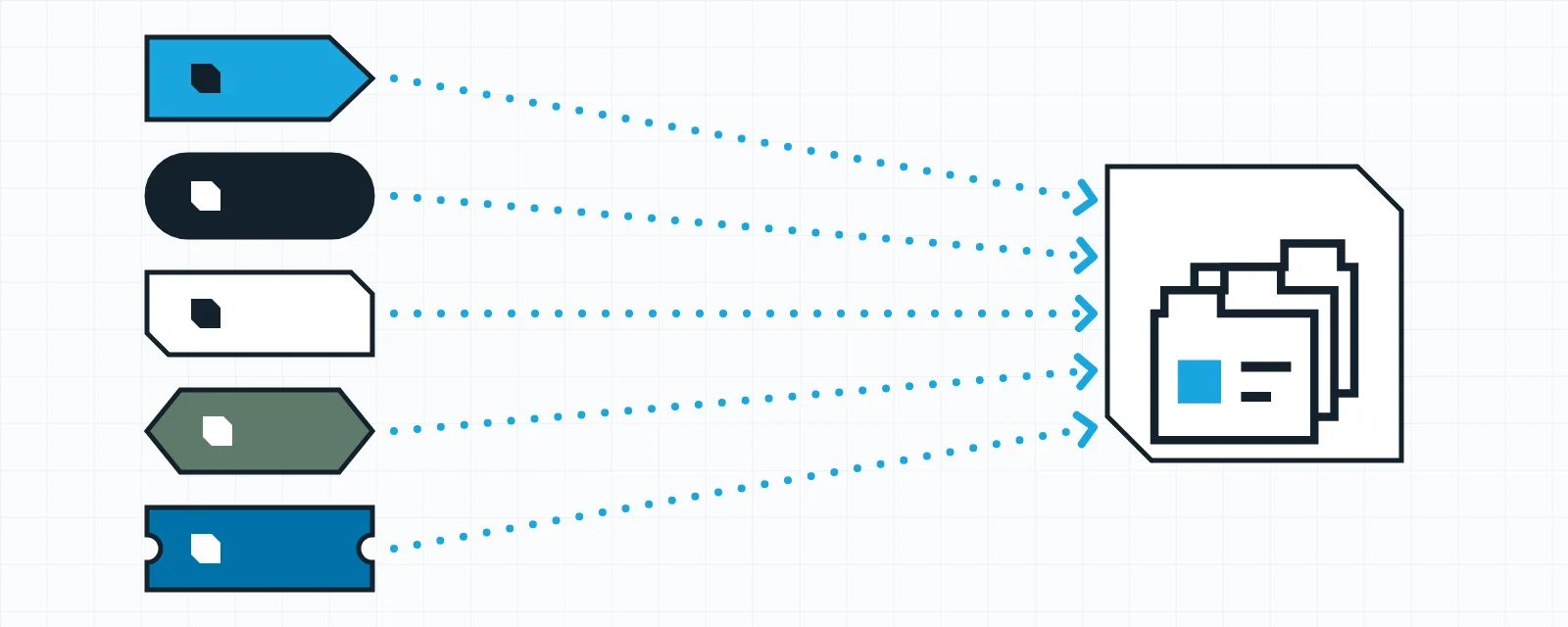
The way projects check the data they hand each other was the same story: there were four almost identical copies. A shared piece already exists that will replace them.
The game: Tarkor as a testbed
Tarkor is the testbed for two of the new projects. Forge already reads what the game exports to prepare training data, and its first goal is for Tarkor's narrator, tuned on a model that fits on the Steam Deck, to pass my tests.
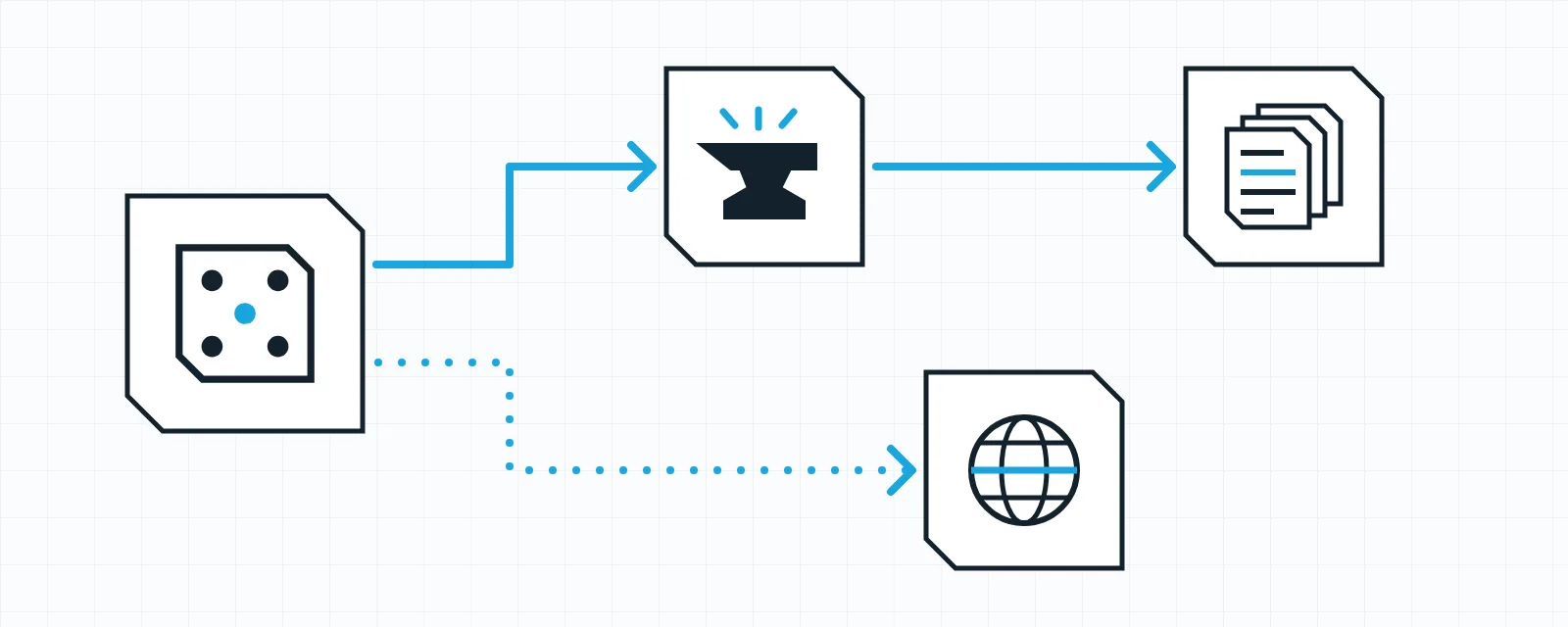
Worlds wants to take out of Tarkor what is not only Tarkor's: the world that moves in turns, the maps and the lore. At first I meant to extract it as it was, but inside the game those pieces are not separate. So I am writing it again, with the game as my yardstick: what the kit does has to behave the way Tarkor already behaves. When it is ready, Tarkor will be the first world to run on it.
The return: What you learn comes back
Where the return shows most is in how I work. Almost every project uses the same AI workflow, and when something goes wrong in one, the fix is proposed to the workflow so it does not repeat in the others. An improvement is made once and reaches everyone.
Something similar happened with images. The image generator prepared the logo proposals and the style sheet for each project, and the template for those sheets came from the visual kit toVeriAI already had.
What it has cost me
- Copies drift apart if it takes too long to bring them together.
- A new project sometimes has to wait for another: part of Forge's work is waiting for the shared piece.
- Today only one of these links really works, voices with Runtime. The rest are on the way.